

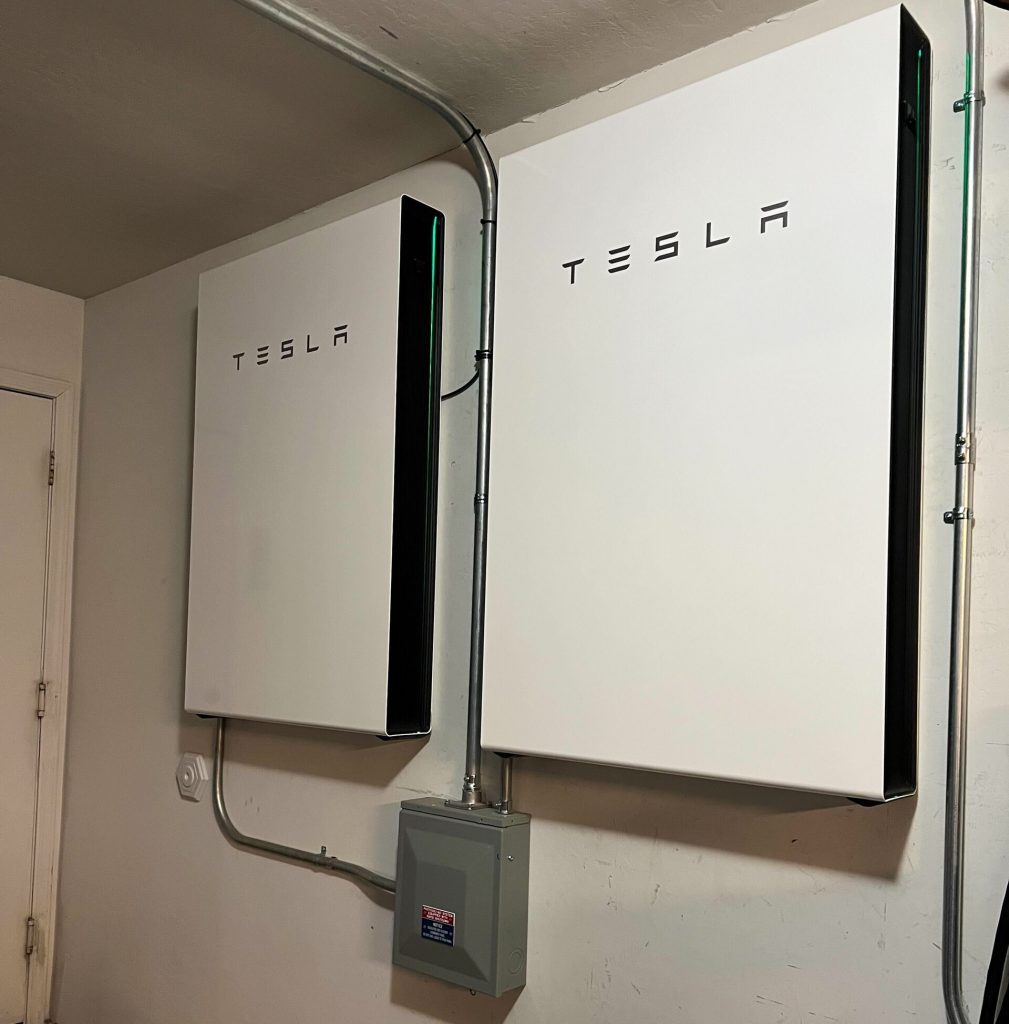
The white box on the garage wall is becoming as ordinary as the boiler. Home batteries, which store electricity from rooftop solar panels or cheap overnight grid power for use when a household actually needs it, have moved from enthusiast territory into the mainstream, with installers now fitting them alongside a large share of new solar systems. Readers exploring the latest homes and energy coverage will find the shift is driven by simple household economics as much as by green enthusiasm.
The logic is easy to follow. A typical solar home exports much of its midday generation for a modest price, then buys electricity back in the evening at a far higher one. A battery closes that gap, lifting the share of solar power a household uses itself and cutting bills accordingly. Add time-of-use tariffs, which reward charging when power is cheap and plentiful, and the battery starts earning its keep in more than one way.
Falling Prices and Smarter Software
Battery costs have fallen dramatically over a decade as electric-vehicle production scaled up cell manufacturing, and home units have ridden that curve down. Just as important is the software. Modern systems forecast a home’s usage and the weather, decide when to charge and discharge, and can join virtual power plants, in which thousands of household batteries act together to support the grid at moments of peak demand in return for payments to their owners.
That wider role is why energy analysts at organisations such as the International Energy Agency watch household storage closely. Millions of small batteries amount to a power station that nobody had to build, located exactly where electricity is consumed. For grid operators facing evening peaks as gas plants retire, fleets of home batteries that can discharge for an hour or two are becoming a genuine planning resource rather than a curiosity.
Questions of Safety, Size and Payback
Households still need to do their homework. Payback periods vary widely with roof size, tariff, usage patterns and installation cost, and honest installers will model a specific home rather than quote a generic promise. Sizing matters: an oversized battery that rarely fills is wasted money, while an undersized one may leave evening demand uncovered. These consumer questions feature regularly in more blog reporting.
Safety and longevity deserve attention too. Reputable systems use stable battery chemistries, built-in monitoring and proper installation standards, and buyers should confirm warranties measured in both years and charge cycles. Recycling routes for home batteries are developing as volumes grow, and manufacturers increasingly design units whose cells can be recovered, a consideration that will matter more as today’s mainstream installations reach the end of their working lives.
How Mainstream Changes the Energy System
When storage was rare, solar homes were passive exporters. As batteries spread, they become active participants, shifting demand away from peaks, reducing strain on local networks and making rooftop solar viable in areas where grids once refused new connections because midday exports overloaded them. That, in turn, supports more solar, in a reinforcing cycle that utilities are learning to plan around rather than resist.
Expect the next stage to blur categories further: cars with vehicle-to-home capability acting as batteries on wheels, tariffs that pay households automatically for flexibility, and new homes built with storage as standard. The technology has crossed the line from early adopter to ordinary purchase, and the energy system will be shaped, quietly and in millions of garages, by that crossing.
Installation day itself has changed character. What was once a specialist project is now often a single visit, with the battery, inverter and app configured before the installer leaves and the household watching its first evening discharge on a phone screen. That ordinariness is the real marker of a technology going mainstream: not that specialists are excited by it, but that nobody else finds it remarkable any more, even as it quietly changes how their home uses energy.