

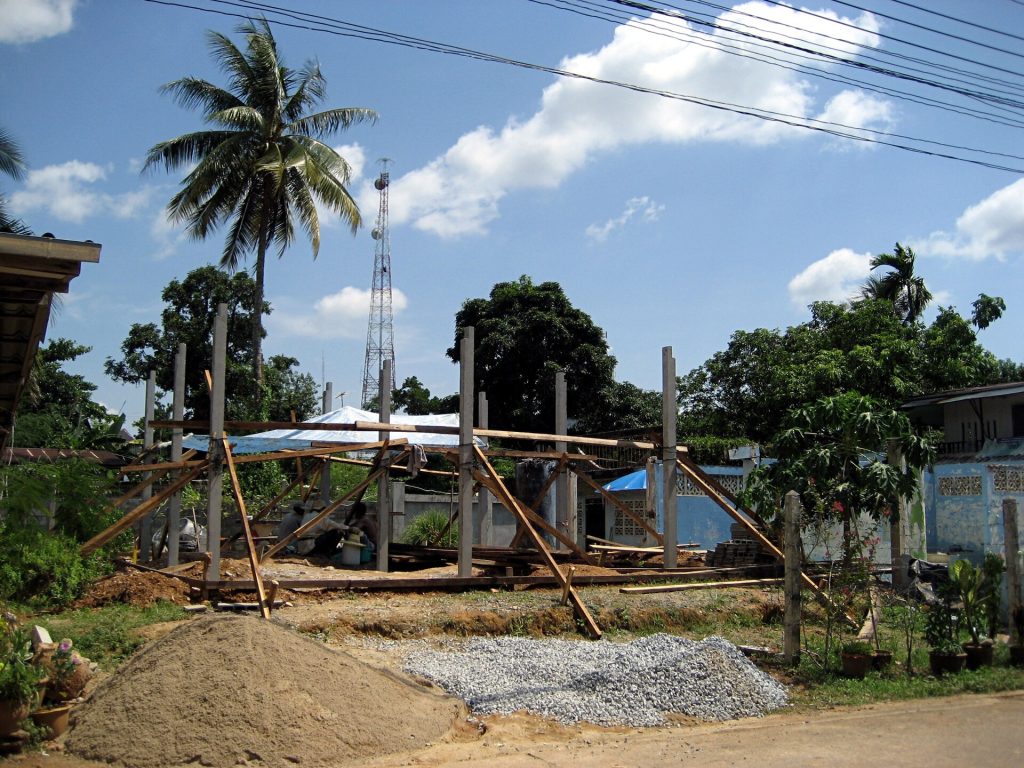
Building a house the traditional way means months of weather delays, trades arriving in sequence, and materials delivered to a muddy site one load at a time. Modular construction turns that process inside out: most of the home is built in a factory, in sections, while the foundations are prepared on site, and the finished modules are then craned into place in days. Readers of the latest homes and property coverage are seeing the approach move from novelty to a serious answer to housing shortages.
The speed gains are real. Projects that once took a year can complete in a little over half that time, because factory work and site work happen in parallel and rain cannot stop a production line. Quality, advocates argue, improves as well, since walls are built on jigs rather than by eye, and inspections happen under one roof. Against that stand transport limits, financing quirks and an industry that has seen modular pioneers fail before.
Why Factories Beat Muddy Sites on Paper
A factory offers what a building site cannot: repetition, shelter and control. Workers use the same stations and tools every day, waste falls because offcuts are reused, and precision improves airtightness, which lowers the finished home’s energy bills. Developers also gain predictability, and in construction, predictability is money, since delays cascade through interest payments, contractor schedules and buyers waiting to move in.
The model suits some housing types especially well. Student accommodation, hotels, care homes and apartment blocks with repeating layouts are natural fits, and several countries now deliver a meaningful share of new homes this way. Analysis by housing bodies and institutions such as the World Bank suggests factory-built methods could help close supply gaps that traditional construction, short of skilled labour, has struggled to narrow on its own.
The Obstacles That Keep Tripping the Sector
Modular factories need a steady flow of orders to survive, because their costs continue whether or not homes are being built. When housing markets dip, that fixed-cost base has sunk prominent companies, leaving clients wary of depending on a single supplier. Planning systems designed for conventional projects can also struggle with designs that must be finalised months earlier than usual, long before a crane arrives, as discussed across more blog reporting.
Logistics impose their own limits. A module can only be as wide as the roads and bridges between factory and site allow, which shapes room sizes and designs, and city-centre sites need road closures and careful lifting plans. Financing, too, is still adapting: lenders accustomed to releasing money as a building visibly rises are learning to fund value that sits, for a while, as finished rooms inside a warehouse miles away.
What Buyers Should Expect as the Market Matures
For homebuyers, a maturing modular market should mean shorter waits, more certain prices and homes that are cheaper to heat, with the trade-off of somewhat more standardised designs, though architects insist good modular design need not look boxy or repetitive. Warranties and inspection regimes are becoming clearer, which matters because consumer confidence, once lost to a few poor early projects, takes years to rebuild.
The likely future is hybrid rather than absolute: factories producing high-value components and room modules, combined with on-site work where it genuinely belongs. Housing demand is too large and construction labour too scarce for the old methods alone, so even if some modular firms fail along the way, the direction of travel, towards building homes more like products and less like prototypes, looks difficult to reverse.
Design quality will be the sector’s long-term test. The post-war experience taught housing a hard lesson: homes built quickly but badly become liabilities that residents pay for over generations. Today’s modular firms insist their factory precision avoids that trap, and the energy performance of recent projects supports them. If the industry can keep quality high while volumes rise, the prefabricated house may finally lose the asterisk that has followed it since its earliest experiments.