

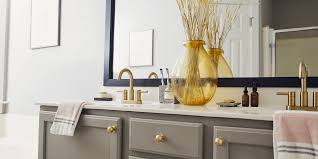
It’s strange how something so small can throw off an entire room. A faucet isn’t large. Cabinet pulls are barely noticeable. Towel bars? Practically background noise. And yet, you can step into a bathroom and feel that something isn’t sitting right. Not dramatic. Not ugly. Just… unsettled. More often than not, it’s the metal.
There’s a common assumption that the solution is simple: make everything match. Same finish everywhere. Problem solved. That’s one way to avoid mistakes. It’s not necessarily how you create balance. Hardware shouldn’t compete. But it shouldn’t erase itself either.
Why Hardware Matching Is About Balance — Not Identical Finishes
Here’s what usually happens. Someone chooses a brushed gold faucet because it feels warm and interesting. Later, they grab a chrome towel ring because it was available. Then matte black cabinet pulls because they saw it online and liked the contrast. Individually, none of those are bad decisions. Together, the room feels restless.
On the opposite end, everything is selected in the exact same finish. Faucet, shower trim, handles, hooks, lighting. All identical. That can feel clean. It can also feel like the room is holding its breath.
Good hardware coordination feels intentional. Overmatching feels accidental. Metal repeats in a bathroom whether you consciously notice it or not. Those repetitions either support each other or interrupt each other. The interruption is subtle. But you feel it.
Step 1 – Identify Your Dominant Finish
Start by figuring out what carries the most visual weight. Usually, that’s the faucet. It’s centered. It’s touched constantly. It’s at eye level when you’re standing at the sink. Sometimes the shower system dominates. Occasionally the light fixture takes over if it’s oversized or dramatic.
In most cases, the faucet quietly becomes the anchor. That finish sets the direction. Warm. Cool. Dark. Reflective. Soft. Once that’s clear, the rest of the hardware stops feeling like separate decisions. It becomes a supporting detail.
Step 2 – Match by Tone, Not Just Color
This is where things go sideways without anyone realizing it. People think in terms of “metal” instead of temperature. Warm finishes include brass, brushed gold, bronze. Cool finishes include chrome, polished nickel, stainless steel. Then there are darker neutrals like matte black or oil-rubbed bronze.
You don’t need identical finishes. You need compatible undertones. Brushed brass beside champagne bronze feels natural. Brushed brass beside bright chrome creates tension. That tension can be intentional — but if it’s not planned, it reads as mismatch.
Undertones are quiet. They’re easy to ignore. But once you start paying attention to them, they explain almost every hardware conflict.
Understanding Finish Types (And Why Texture Matters)
Texture changes how metal behaves. Polished finishes reflect light sharply. They exaggerate differences. Brushed finishes scatter light. They soften transitions. Matte finishes absorb light. They feel heavier. Sometimes more grounded. A brushed finish softens contrast. A polished finish amplifies it.
Two finishes can share the same general color and still feel off if one is glossy and the other is muted. And bathrooms aren’t neutral spaces. They’re full of mirrors. Artificial lighting. Natural light. All of it interacts with the surface of the metal. Texture isn’t decorative. It shifts perception.
Should Bathroom Hardware Always Match the Faucet?
No. Bathroom hardware does not have to match the faucet exactly. It should share a compatible tone or finish family to create visual harmony. Exact duplication isn’t required. Relationship is.
Popular Hardware Matching Approaches
There are a few approaches that tend to work consistently.
1. Perfect Match Strategy
Everything—black cabinet pulls—shares the same finish. It feels controlled. Minimal. Safe in a good way. In modern bathrooms especially, this creates a calm, uninterrupted look. Sometimes repetition is the entire aesthetic.
2. Mixed Metals Strategy
This is where rooms gain depth. Choose one dominant finish. Then add one supporting accent. Two finishes usually feel intentional. Matte black faucet paired with brushed brass pulls or a chrome faucet paired with matte black mirrors are all examples of this strategy.
When a third finish appears without repetition, the room starts to lose clarity. Mixed metals aren’t random. They’re structured contrast.
3. Contrast as a Design Feature
Contrast works when it’s deliberate. A dark faucet against pale cabinetry can anchor the room, while a warm hardware in a cooler-toned space can add subtle warmth without overwhelming it.
The important part is repetition. If a finish appears once, it looks accidental. If it appears at least twice, it begins to feel planned. That repetition is what turns contrast into design.
Matching Faucet With Specific Bathroom Elements
Some relationships matter more visually than others.
Matching Faucet With Cabinet Handles
These usually sit within the same visual zone. If they clash, it’s obvious.
They don’t have to be identical. But they should feel related — similar tone, similar texture, similar weight.
Close proximity magnifies differences.
Matching Faucet With Shower Fixtures
Often visible in the same sightline. If the faucet is brushed nickel and the shower trim is highly polished chrome, the reflectivity difference becomes noticeable quickly.
Matching these more closely often creates smoother flow across the room. It’s one of the safer areas to stay consistent.
Matching Faucet With Lighting Fixtures
Lighting shifts everything. Warm bulbs deepen brass. Cool bulbs sharpen chrome. Even matte black changes subtly depending on light temperature.
The finish on your lighting also reflects onto nearby hardware. So the faucet isn’t isolated — it reacts to its surroundings.
Ignoring lighting can make a carefully chosen finish look different than expected.
Common Hardware Matching Mistakes
A few patterns show up repeatedly:
● Mixing too many finishes without repetition
● Ignoring undertones entirely
● Matching color but overlooking texture
● Forgetting smaller hardware like hinges
● Overmatching out of fear
None of these ruin a bathroom. But they just disrupt balance. And balance is what makes a space feel settled.
How to Choose If You’re Starting From Scratch
If nothing is installed yet, step back before buying anything. Consider the following:
● Is the room warm overall or cool?
● Do you want subtle harmony or noticeable contrast?
● Are you willing to wipe fingerprints regularly?
● Will this finish still feel right years from now?
Polished chrome is crisp but unforgiving with water spots. Matte black feels bold but can show residue. Brushed finishes tend to be more forgiving day to day.
In the long run, finishes that quietly support the room often age better than ones trying to dominate it.
Timeless isn’t about avoiding personality. It’s about balance holding up.
Quick Answers for Common Search Questions
Can you mix chrome and brushed nickel?
Yes. Both are cool-toned finishes. Chrome reflects more light, while brushed nickel diffuses it. Keep undertones consistent and avoid introducing additional competing finishes.
Does matte black go with brushed nickel?
It can. Matte black works best as the dominant feature, with brushed nickel appearing in smaller supporting accents. Repetition helps it feel intentional.
Should cabinet hardware match faucet in bathroom?
It doesn’t have to match exactly. But coordinating tone and style creates visual balance, especially since they sit close together.
Final Thought: Matching Is About Mood
Matching hardware isn’t about strict rules or rigid formulas. It’s about how the room feels.
When finishes compete, you sense friction. When they relate, the space feels calm. When hardware works together, you don’t really analyze it. You just feel that it belongs. And that’s usually the signal that it’s right.