
A bedroom refresh often starts with what people can see. Fresh paint, softer lighting and new linen can change the mood of a room in a weekend. Yet the part that affects every night is hidden once the bed is made: the condition and feel of the sleep surface.
If a bed feels less inviting than it once did, replacing the entire mattress is not always the first or best step. A systematic check can reveal whether the problem is structural, environmental or simply related to the top layer of the bed.
Start by inspecting the mattress
Strip the bed completely and examine the mattress in daylight. Look for deep indentations, damaged edges, exposed components or an obvious loss of support. Sit and lie in several positions rather than judging only the spot used most often.
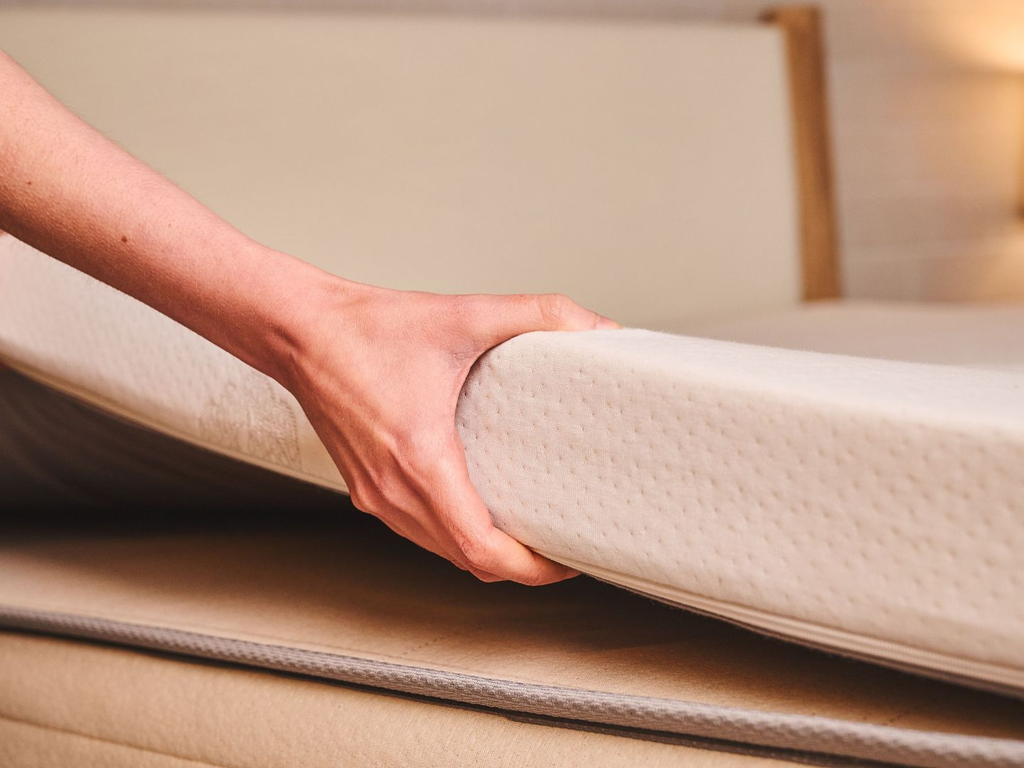
A topper should not be used to disguise a mattress that is broken or significantly sagging. It follows the shape beneath it, so serious structural problems remain. If the mattress is sound but the surface feels firmer or flatter than preferred, adding a comfort layer may be worth considering.
This distinction can prevent an expensive mistake. It also helps households explain the goal clearly. Instead of shopping for a vague promise of better sleep, they can look for a particular change in surface feel.
Measure more than the bed size
Single, Double, Queen and King labels are a useful starting point, but exact measurements are better. Measure the mattress width and length in centimetres, then measure its depth from the base to the upper seam.
Ask how much height the topper will add. Deep mattresses with an extra layer may exceed the pocket depth of existing fitted sheets. A loose sheet that lifts from the corners can undo the sense of order created by an otherwise careful bedroom update.
Also inspect the bed frame and slats while the mattress is uncovered. Loose fittings, uneven slats or poor centre support can affect how the bed feels. Tightening a frame or correcting its support costs little and should happen before a new comfort product is added.
Know the difference between a topper and a protector
These products are sometimes discussed as though they perform the same job. They do not. A mattress protector is primarily intended to shield the mattress from moisture, dust and everyday wear. A topper is intended to change the immediate feel of the sleep surface.
Some households may use both, provided the layers fit securely and follow the manufacturers’ care instructions. The order of those layers and the suitability of a protector can vary by product, so the relevant instructions should guide the setup.
Read the complete material description
Bedding names can simplify a product that is actually made from several components. A reference to bamboo may relate to the cover, a blend or another part of the construction. The fill may be a different material entirely.
Before buying a bamboo topper for Australian bedrooms, identify the cover fabric, internal fill, backing and attachment method. Look for the percentage or composition details provided by the retailer. If a product page does not explain which component supports a prominent material claim, ask the seller.
Be cautious with broad health, temperature and environmental promises. Comfort differs between people and homes. A room in humid coastal Queensland presents different conditions from a winter bedroom in regional Victoria. Specific construction and care information is more useful than a claim that one product will deliver the same result everywhere.
Review the entire sleep setting
The Sleep Health Foundation recommends a quiet, dark bedroom with comfortable bedding and good temperature control. It also says most adults need seven to nine hours of sleep. That advice is a reminder that bedding is one part of a wider environment, not a medical treatment.
Check curtains or blinds for early light. Reduce unnecessary noise where practical. Review heating, cooling and ventilation, then choose bedding layers that can be adjusted across the seasons. A heavy combination that feels welcome in July may be uncomfortable in January.
If poor sleep persists, or if there is severe snoring, excessive daytime sleepiness or waking unrefreshed despite enough time in bed, the Sleep Health Foundation recommends seeking professional help. A homewares purchase should never replace appropriate medical advice.
Check how the product stays in place
A topper that shifts can create lumps or exposed edges. Look for elastic skirts, corner straps or another clear fastening method. Compare that method with the depth and shape of the mattress.
Once fitted, smooth the topper evenly and make the bed with sheets that suit the combined height. Recheck the position after the first few nights. Following the product instructions for rotation or regular adjustment may help maintain an even surface.
Plan for cleaning before the first night
Care instructions are part of the buying decision. Find out whether the entire topper is washable or whether it has a removable cover. Note the allowed water temperature, detergent guidance and drying method.
Large bedding can exceed the capacity of a household washing machine. If professional or commercial cleaning may be needed, include that future cost in the comparison. A removable, washable cover may be easier for some homes, but only if it can be removed and refitted without difficulty.
Using a suitable protector, laundering bed linen regularly and allowing bedding to dry fully can help keep the sleep surface fresh. Always follow the specific instructions supplied with each layer.
Treat the trial as a set of terms
Online shoppers cannot press a hand into a topper or lie on it before purchase. A trial period can reduce that uncertainty, but the headline number is only the beginning.
Read when the trial starts, how a return must be requested and what condition is expected. Check whether original packaging must be retained and whether transport costs apply. Save the order confirmation and a copy of the terms shown at the time of purchase.
Adore Earth currently lists topper sizes from Single to King, together with a 90 night happiness guarantee, dispatch from Sydney and standard delivery information. These are current retailer statements, not independent test findings, and shoppers should confirm the latest details on the product page before ordering.
Remember the rights behind the retailer promise
The ACCC explains that consumer guarantees apply automatically to products sold in Australia. Goods must be of acceptable quality, match their description and satisfy applicable express promises. A business cannot remove those rights through a store policy.
A trial or voluntary warranty can provide additional reassurance, but it does not replace the Australian Consumer Law. Keep accurate records of what the retailer promised, particularly if the page makes specific statements about construction, performance, dispatch or delivery.
Make the smallest change that solves the problem
The best bedroom refresh is not necessarily the one with the longest shopping list. A loose frame may need tightening. Worn sheets may need replacing. Early light may call for better window coverings. A supportive mattress with the wrong surface feel may benefit from a carefully selected topper.
Work through those possibilities in order. Inspect the structure, measure the bed, define the desired change and compare products using full specifications. Then review care, trial conditions and consumer rights before paying.
This approach keeps the project grounded in the way the room is actually used. It also avoids treating a mattress topper as either a miracle product or a disposable trend. When the mattress underneath remains sound, the right top layer can be a focused way to alter comfort without replacing the whole bed.