

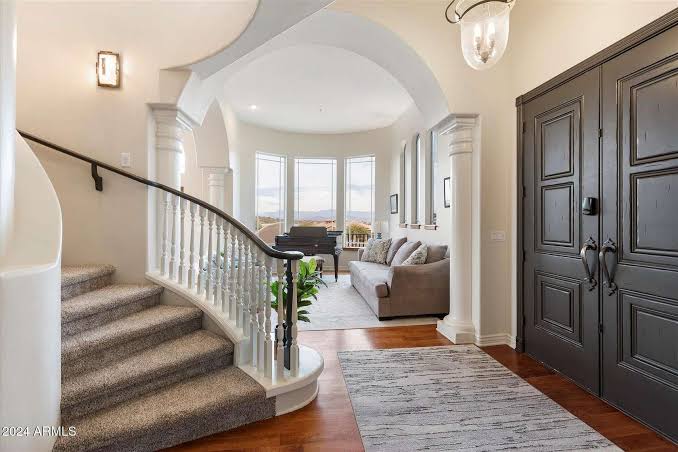
A well-designed staircase does more than connect different levels of a home. It becomes a defining architectural feature that enhances the appearance, functionality, and value of your property. Homeowners in Fountain Hills often look for staircase designs that complement modern living while making the most of available space. Whether you are building a new home or updating an existing one, choosing the right staircase design can significantly improve both comfort and visual appeal.
If you want a practical solution that combines elegance with efficiency, spiral staircases in Fountain Hills, AZ offer an excellent option for many residential and commercial properties. Their compact footprint allows you to maximize usable floor space without sacrificing accessibility or style. From contemporary interiors to rustic outdoor settings, spiral staircases adapt beautifully to a wide variety of architectural designs.
Why Spiral Staircases Are a Smart Investment
Unlike traditional staircases that require a large amount of floor space, spiral staircases are designed around a central support column. This efficient layout creates more room for furniture, storage, or open living areas. Their compact footprint can be particularly useful for loft access, patio connections, garage apartments, multi-level decks, guest houses, and smaller residential floor plans.
A spiral staircase can also become a strong architectural focal point. Custom railing patterns, finishes, tread materials, and metalwork can help the staircase complement the surrounding design while providing practical access between levels. The right dimensions and materials are important, however, because a staircase that saves space should still be comfortable and safe to use.
Safety and Residential Code Requirements
Safety and code compliance should be considered before choosing a spiral staircase. Under commonly referenced residential spiral-stair provisions, the clear width at and below the handrails must be at least 26 inches. Each tread must provide the required minimum depth at the walkline, measured 12 inches from the narrower edge, and the riser height must stay within the applicable maximum. Headroom must also meet the required minimum.
Because building codes can vary by jurisdiction and code edition, homeowners should not assume that every spiral staircase can serve as the primary or required means of egress. The intended use, occupancy, location, and locally adopted requirements can affect approval. A qualified professional should confirm the applicable requirements before fabrication or installation.
Fountain Hills currently uses the 2024 International Residential Code for applicable residential building permit applications, along with local amendments. The Town processes building permits through its online permitting system. For projects subject to Maricopa County jurisdiction, the county also requires applicable residential permits. Confirm the authority having jurisdiction before ordering a staircase.
Choosing the Right Diameter, Materials, and Cost
Diameter is one of the most important specifications because it affects both available floor space and walking comfort. Residential spiral staircases commonly range from about 42 to 72 inches in diameter, although custom dimensions are possible. Larger diameters generally provide a more comfortable walking path and more usable tread area. A 60-inch or larger design may be more practical for many residential applications, depending on the configuration and applicable code requirements.
Cost also varies according to diameter, height, materials, tread design, railing, finish, installation complexity, and customization. As a general planning range, a custom spiral staircase may cost roughly $4,000 to $12,000 installed, with simpler or more elaborate designs falling outside that range. A detailed site measurement and design is necessary for an accurate project estimate.
Material selection also plays an important role in appearance and lifespan. Steel provides outstanding strength and supports modern, industrial-inspired designs. Wrought iron offers timeless elegance with decorative details that complement traditional and Mediterranean-style homes. Aluminum can be considered for selected outdoor applications when weight and corrosion resistance are priorities, but steel and wrought iron provide strong options for custom metal staircase work.
Design Features That Enhance Everyday Living
Today’s spiral staircases can be customized to fit nearly any design preference. Decorative railing patterns can create a distinctive architectural appearance, while powder-coated finishes provide a durable surface for many metal applications. Custom tread materials can introduce warmth or contrast, and properly positioned handrails can support safer everyday use.
For Fountain Hills properties, finish selection deserves additional attention because Arizona’s strong sunlight can contribute to fading and deterioration of some coatings over time. A suitable exterior-grade finish and proper surface preparation can help protect metal components. Outdoor staircases should also be designed with local weather exposure in mind, including the heavy rainfall and runoff that can occur during monsoon season.
Maintenance Tips for Long-Term Beauty
Proper maintenance helps preserve both safety and appearance for years to come. Regular cleaning removes dust and debris that can accumulate on treads and metal surfaces, while periodic inspections help identify loose bolts, worn connections, damaged railings, or deteriorating finishes. Exterior staircases should receive particular attention after periods of heavy rain to check for moisture accumulation, drainage concerns, corrosion, or surface damage.
Protective coatings should be repaired or renewed when signs of wear become visible. Addressing minor issues early can help prevent more extensive structural or finish-related problems. A routine inspection schedule is especially useful for outdoor installations exposed to Arizona’s intense sunlight and seasonal monsoon conditions.
Planning a Spiral Staircase for Your Property
A successful spiral staircase project starts with accurate measurements and a clear understanding of how the staircase will be used. Consider the available floor opening, floor-to-floor height, desired diameter, landing configuration, traffic patterns, material selection, and required safety features before fabrication begins.
The staircase should also be reviewed for local permitting requirements before installation. In Fountain Hills, building applications and inspections are handled through the Town’s Building Safety process. Checking the applicable code requirements early can help prevent costly changes after fabrication.
Conclusion
A thoughtfully designed spiral staircase combines beauty, efficiency, and long-term functionality. Whether your goal is to save space, improve access between levels, or create a striking architectural feature, careful planning and quality craftsmanship make all the difference. By selecting durable materials, choosing an appropriate diameter, incorporating practical safety features, confirming code requirements, and performing regular maintenance, homeowners can enjoy a staircase that enhances both everyday living and property value.