

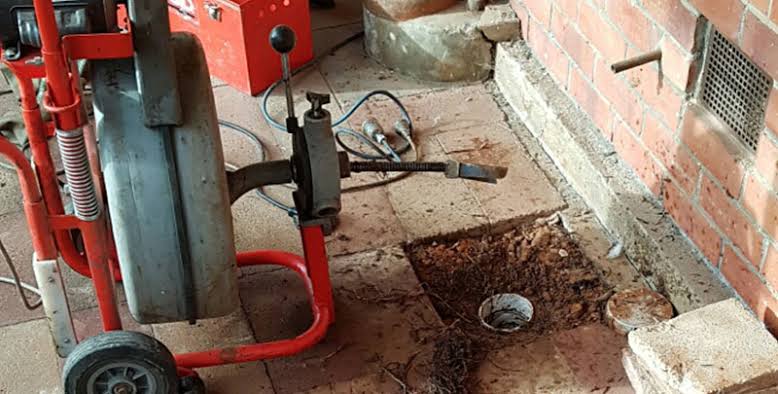
A cold, wet Saturday can expose several weak points in a home at once. The hot water system is working harder, roof drainage is carrying sustained rain, stormwater pits are filling, and buried pipes are surrounded by wetter soil. A fault that went unnoticed during summer can suddenly become urgent.
Adelaide’s rainfall is concentrated through the cooler part of the year. Winter does not create every plumbing problem, but it tests systems under conditions they may not have faced for months. That is why emergency plumbers in Adelaide households often see a familiar mix of hot water failures, overflows, leaks, and blocked drains during wet periods.
The useful question for homeowners is not simply why winter is busy. It is what can be checked before the next cold front arrives.
Rain turns partial restrictions into visible overflows
A stormwater pipe can carry light showers despite containing leaves, silt, roots, or a damaged section. Sustained rain supplies water faster and for longer. Once the line reaches capacity, water backs up at the lowest grate or spills from a downpipe connection.
The same applies to gutters. A small obstruction near an outlet may be harmless during drizzle but cause water to overtop the gutter in a downpour. Overflow can run against fascia, enter eaves, or collect beside walls.
An emergency plumber may be needed when water is entering the building or cannot be safely controlled. Where the issue is external, and there is no immediate damage, the event still provides important evidence about the capacity and condition of the system.
Hot water systems face their hardest workload
Incoming mains water is colder in winter, and households tend to use more hot water. A unit must add more heat to achieve the same shower temperature, while longer showers and increased use reduce recovery time.
An ageing system may begin running out earlier, making unusual noises, leaking from a valve, or failing to heat at all. Electric, gas, heat pump, and storage systems have different failure patterns, so loss of hot water is not always diagnosed the same way.
A cold shower is inconvenient, but not every hot water fault requires an after-hours response. An active leak, electrical concern, gas smell, or water affecting the building changes the urgency. When calling an emergency plumber, explain both the loss of hot water and any safety signs around the unit.
Wet soil reveals drainage and pipe defects
After extended rain, soil becomes heavier and less able to absorb additional water. Leaking drains, broken stormwater pipes, and poor surface grading may become more obvious because water remains near the surface.
Older clay drains can contain displaced joints or cracks that admit roots and surrounding soil. Wet conditions do not necessarily cause the original defect, but they can increase inflow and expose weak support around the pipe.
Homeowners may notice a new depression, persistent damp patch, sewer smell, or an area of paving that no longer dries. These signs should be inspected rather than attributed to winter alone.
Roof and gutter problems often look like plumbing leaks
Water staining a ceiling during rain may come from damaged roofing, failed flashing, overflowing gutters, blocked valleys, or roof plumbing connections. It may travel along rafters before appearing several metres from the entry point.
Placing a bucket under the drip can protect the room temporarily, but it does not locate the source. Avoid climbing onto a wet roof. Conditions are slippery, and the visible leak inside may not align with the fault outside.
Provide the emergency plumber or roof plumber with photos, the timing of the leak, the direction of the weather, and whether it occurs only during heavy rain. Those details can guide a safer inspection.
Small water leaks become harder to ignore
Winter can also bring internal pipe leaks to attention. Closed windows make damp smells more noticeable. Heating may dry one part of a room while moisture continues to enter behind a wall. Flexible hoses, valves, and old joints can fail at any time of year, but a hidden leak discovered overnight still needs the same first response.
Know where the property’s main water shut-off valve is located and confirm that it can be operated. If a pipe bursts, turning off the water can greatly reduce damage while help is on the way.
Do not touch wet electrical fittings or enter an area where water and electricity may be in contact. Call emergency services where there is an immediate danger to people.
Demand rises when many homes are affected together
A severe weather event does not affect one property at a time. Plumbers may receive many calls about blocked stormwater, roof leaks, burst pipes, and hot water failures within hours.
Clear information helps the business triage correctly. State whether water is entering the home, sewage is backing up, the main supply can be isolated, or there is a suspected gas or electrical risk. A dripping tap and a ceiling actively filling with water should not be treated as the same priority.
This is also why routine concerns are better handled before forecast wet weather. A known slow stormwater drain is easier to inspect on a dry day than during widespread flooding.
A practical pre-winter check
Walk around the property before winter and clear accessible ground-level grates. Arrange safe cleaning of gutters and downpipes where needed. Check that overflow relief gullies are visible and not covered by soil, pots, or paving.
Look at the hot water unit for rust, water marks, unusual discharge, or deteriorated connections. Test the main water valve and keep the plumber’s details somewhere easy to find. If drains have a history of root intrusion or winter overflow, discuss inspection or cleaning before the wettest period.
Ten minutes of observation can reveal maintenance needs, although roof work and underground diagnosis should be left to appropriately qualified professionals.
Winter symptoms still need a real diagnosis
Rain, cold, and higher demand explain when many faults appear. They do not explain the exact cause. A stormwater drain may be blocked, undersized, damaged, or poorly graded. A hot water unit may need a minor repair or may be nearing the end of its service life.
An emergency plumber can make the site safe and restore essential function where possible. Once the immediate problem is controlled, ask what follow-up work is needed. Winter emergencies are less likely to repeat when the response goes beyond removing water and addresses the weakness the season exposed.