

When a tree becomes overgrown, storm damaged, diseased or starts leaning towards the house, most owners face the same question: who do you call, and how do you know they’ll do it safely? Tree work is among the higher risk jobs on a residential block, and the cheapest quote is rarely the whole story.
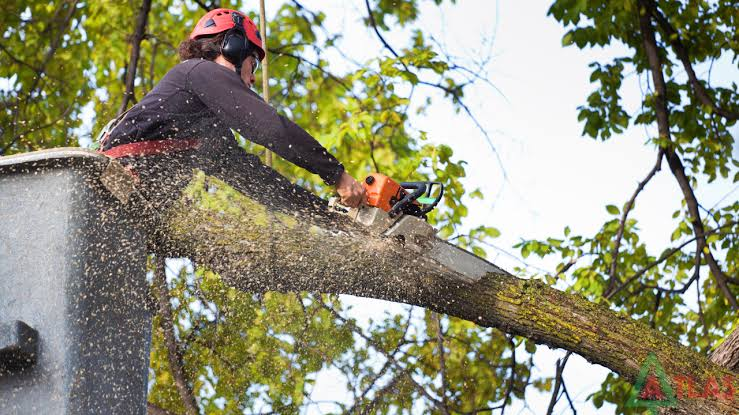
Before hiring a tree removal service, weigh the provider’s qualifications, experience, insurance, scope of work, reputation and quote transparency. A provider who can show all of these is far more likely to deliver safe, compliant work and less likely to leave you with property damage, a rejected council application or a surprise bill.
Start by Identifying the Tree Service You Actually Need
Knowing which job you need makes it easier to choose the right provider. Common tree care services include:
- Tree removal: taking down a dead, hazardous or unwanted tree
- Pruning and trimming: selective cutting to improve health, structure or clearance
- Stump grinding: removing the stump left after felling
- Emergency tree work: urgent response to fallen or storm-damaged limbs
- Tree health assessments: diagnosing disease, decay or structural problems
- Arborist reports: formal documentation, often required for council applications
Matching the provider to the task is the first filter.
Check Qualifications, Experience and Arborist Expertise
There’s no single occupational licence for tree work in Australia, so qualifications are the clearest signal of competence and anyone can call themselves a “tree surgeon.” For hands-on pruning and removal, a Certificate III in Arboriculture (AQF Level 3) is the practical minimum; for assessments and formal reports, a Diploma of Arboriculture (AQF Level 5) consulting arborist is what most councils expect.
Also ask about experience with trees like yours, a track record with hazardous ones, suitable equipment, and familiarity with Australian Standards such as AS 4373 for pruning. Membership of Arboriculture Australia or the ISA shows a provider’s skills are current, and reputable arborist services share their credentials on request.
Make Sure the Tree Service Is Properly Insured
Always ask for evidence of insurance before work begins, a verbal assurance isn’t enough. A provider should hold public liability insurance for accidental damage to your property or a neighbour’s, and workers compensation for anyone on site. An uninsured operator who damages your roof or is injured on your block could leave you exposed, so request current certificates of currency and treat reluctance as a warning sign.
Look at Reputation and Previous Work
Reviews show how a tree service company performs once the quote is signed. Rather than fixating on a single star rating, look for:
- Consistency across many reviews, not just a few glowing ones
- Recent feedback that reflects the current team
- Before-and-after examples of work similar to yours
- Local reputation and genuine word-of-mouth
It’s also worth checking the business’s ABN on the Australian Business Register to confirm it’s active and matches the name on the quote. A steady trading history is reassuring, though a newer business can be fine if everything else checks out.
Ask What Is Included in the Quote
Two quotes with very different prices often aren’t covering the same job. Before comparing figures, check whether each includes:
- The specific work, removal, pruning or both
- Stump grinding, if you need it
- Green waste removal and mulching
- Full site clean-up
- Access and equipment requirements
- Any additional or contingency charges
- Council permits or reports, where these apply
Insist on a clear, itemised written quote with a fixed total rather than a vague “from $X” figure or an uncapped hourly rate, as a written scope protects both parties.
Ask These Questions Before Hiring
A few direct questions quickly separate genuine professionals from chancers:
- Are you insured, and can you show current certificates?
- What arborist qualifications and experience does your team have?
- Have you handled similar trees or properties?
- What exactly is included in the quote?
- Will you remove the green waste, and is stump grinding included?
- Are there council requirements or permits I need to know about?
- How will you protect my house, fences and garden during the work?
When Should You Hire a Qualified Arborist?
Some jobs warrant a professional assessment rather than a phone quote. Consider a qualified arborist when a tree is:
- Close to buildings, boundaries or power infrastructure
- Large, leaning or structurally unstable
- Carrying significant deadwood or storm damage
- Showing signs of disease or internal decay
- Protected by council rules, or likely to need a permit or report
In many council areas, trees over a certain height or species are protected, and removal may require approval or a Level 5 arborist report, so check local rules first.
Frequently Asked Questions
How do I select a reliable tree removal service?
Check qualifications, insurance, experience and reputation before price. A reliable provider holds at least a Certificate III in Arboriculture, carries public liability and workers compensation cover, gives an itemised written quote, and has consistent reviews from similar jobs.
Do I need an arborist for tree removal?
Often, yes. Practical removals need an AQF Level 3 arborist at minimum, while protected trees, council applications or formal reports usually require a Level 5 consulting arborist. An assessment also confirms whether removal is genuinely necessary.
How can I compare tree service quotes?
Compare what each quote includes, not just the total, removal, stump grinding, green waste, clean-up and any permits and check whether the price is fixed rather than open-ended. Matching the scope makes the comparison meaningful.
The Bottom Line
Choosing the right tree service comes down to due diligence rather than luck: confirm qualifications and insurance, match the provider to the job, read reviews carefully, get an itemised written quote, and check council requirements before work starts. A little research upfront protects your property, your budget and everyone on site.