

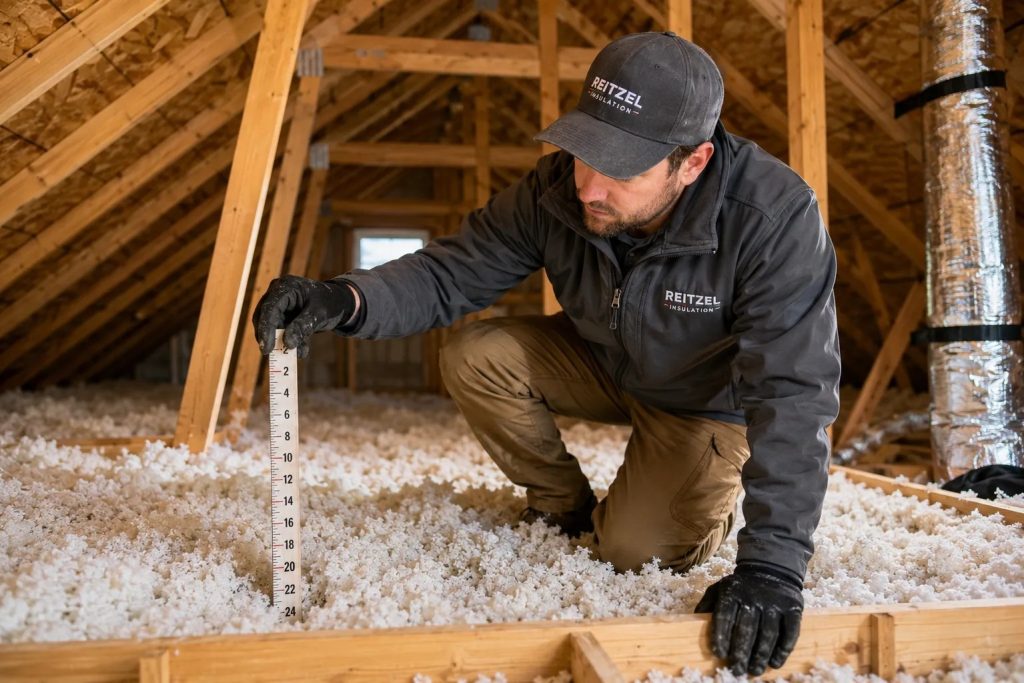
For many Ontario homeowners, reducing energy consumption often starts with upgrading windows or replacing an aging furnace. While these improvements can make a difference, one of the most important factors affecting home energy efficiency is often hidden above the ceiling. Attic insulation plays a critical role in controlling heat transfer, maintaining indoor comfort, and helping homes perform efficiently throughout the year.
Because Ontario experiences cold winters and increasingly warm summers, the condition of a home’s attic insulation can have a significant impact on both heating and cooling costs. Understanding how insulation works can help homeowners make informed decisions about energy-saving home improvements.
Understanding How Heat Moves Through a Home
Heat naturally moves from warmer areas to cooler ones. During winter, warm air generated by a home’s heating system rises and attempts to escape through the roof. In summer, outdoor heat can penetrate the attic and radiate downward into living spaces.
Attic insulation acts as a barrier that slows this heat transfer. When insulation levels are adequate, less conditioned air escapes and less outdoor heat enters the home. This reduces the workload placed on heating and cooling equipment while helping maintain more consistent indoor temperatures.
Without sufficient insulation, even a well-maintained HVAC system may struggle to operate efficiently. Significant attic heat loss can occur through gaps, compressed insulation, or areas where insulation coverage is incomplete.
The Connection Between Attic Insulation and Home Comfort
Energy efficiency is not only about lowering utility bills. It also affects how comfortable a home feels throughout the year.
Homes with inadequate attic insulation often experience uneven temperatures between floors. Upper-level rooms may feel colder in winter and hotter in summer. Drafts, cold ceilings, and fluctuating indoor temperatures can become common issues.
A properly insulated attic helps create a more stable indoor environment by reducing temperature swings. Combined with effective attic air sealing, insulation can limit unwanted airflow and improve comfort in bedrooms, living spaces, and other frequently used areas of the home.
This benefit becomes especially important during Ontario’s winter months, when heat retention directly influences both comfort and energy consumption.
Lower Energy Consumption and Reduced Heating Costs
One of the primary reasons homeowners pursue an attic insulation upgrade is the potential for improved energy performance.
When less heat escapes through the attic, heating systems do not need to operate as frequently to maintain desired temperatures. Similarly, cooling systems face less demand during warmer months because the attic is better protected from solar heat gain.
Over time, this reduced strain on mechanical systems can contribute to lower energy usage and potentially extend the lifespan of heating and cooling equipment.
While savings vary depending on the home’s age, insulation levels, and overall efficiency, reducing attic heat loss is widely recognized as one of the most practical ways to improve residential energy performance.
For homeowners planning energy-saving home improvements, the attic is often one of the most cost-effective areas to evaluate first.
Long-Term Benefits Beyond Utility Savings
The advantages of attic insulation extend beyond monthly energy bills.
Proper insulation can help reduce moisture-related problems that may develop when warm indoor air meets cold attic surfaces. Excess condensation can contribute to mold growth, wood deterioration, and reduced insulation effectiveness.
Maintaining appropriate insulation levels also supports overall building durability. By helping regulate temperature differences throughout the home, insulation contributes to a more balanced indoor environment and reduces stress on various building components.
Additionally, improving home energy efficiency can increase a property’s appeal to future buyers who value lower operating costs and improved comfort.
As energy standards continue to evolve, many homeowners view insulation improvements as part of a broader strategy for maintaining long-term property performance.
Assessing Existing Insulation Performance
Many homeowners are unsure whether their current insulation levels are sufficient. Older homes in particular may contain insulation that no longer meets modern efficiency recommendations.
Signs that an attic may require attention include uneven indoor temperatures, ice dam formation during winter, unusually high heating bills, or visible gaps in insulation coverage. Professional inspections can help identify areas where heat loss prevention measures may provide the greatest benefit.
Contractors often evaluate insulation depth, condition, and attic air sealing opportunities to determine whether improvements are warranted. Homeowners seeking information about available attic insulation solutions may also benefit from consulting specialists such as Reitzel, which helps assess existing attic conditions and identify common sources of energy loss.
Addressing deficiencies before they become larger issues can help maximize the effectiveness of future energy upgrades.
Making Attic Insulation Part of a Broader Efficiency Strategy
Improving a home’s energy performance rarely depends on a single upgrade. However, attic insulation remains one of the foundational elements of an efficient building envelope.
When combined with air sealing, proper ventilation, and well-maintained heating and cooling systems, insulation helps create a more comfortable and efficient living environment. It reduces unnecessary energy consumption, supports year-round comfort, and contributes to the long-term performance of the home.
For Ontario homeowners looking to improve comfort and reduce heat loss, evaluating attic insulation is often a practical first step that delivers benefits throughout every season.