

Buying the same blind for every window is the most common mistake made in an apartment. The kitchen gets something that traps grease, the bedroom gets something that leaks light at six in the morning, and a blinds store in New York hears about both a year or two later.
Rooms make different demands, and the blind has to answer the one in front of it. A blinds store in New York can work through privacy, daylight and appearance room by room, then match the slat, fabric and mechanism to each window rather than to a catalog page. The result holds up longer.
Rooms That Ask Different Things of One Window
Why One Blind Everywhere Falls Short: A living room facing the street needs privacy at eye level while keeping the view above it. A bathroom needs moisture tolerance and full cover. A home office needs glare control on a screen. One product cannot serve all three well, though it often gets asked to do exactly that.
The Delay That Locks a Room In: In everyday practice, installers routinely meet homeowners who put one style throughout the apartment and then work around it for years afterward. Sun bleaches the sofa in one room while another sits dim all winter. Replacing everything at once later costs more than fixing the two problem rooms early on.
Six Blind Styles Compared for Everyday Rooms
Mini, Roller and Roman Blinds Compared: Mini blinds tilt for precise light control and cost the least, though the slats collect dust and dent easily. Roller blinds sit flat and tidy against the glass but give you one fabric for both day and night. Roman blinds soften a room with folded fabric and suit windows people look at often.
Wood and Faux Wood Side by Side: Wood blinds bring warmth and hold their shape in dry rooms, while faux wood tolerates steam and temperature swings without warping. Interior color schemes usually settle the choice between them, since a stained wood finish reads differently against white trim than a painted faux wood slat does in the same room.
Window Size and Shape Set the Limits
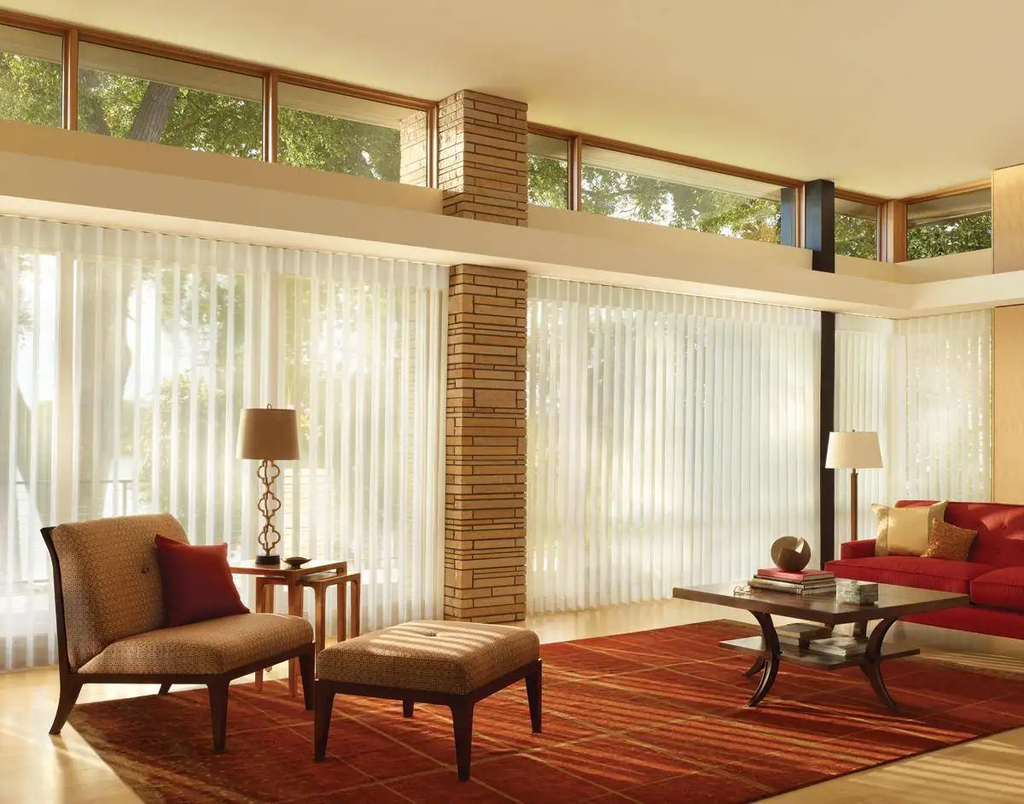
Wide Windows and Sliding Doors: Vertical blinds handle wide spans and sliding doors better than horizontal styles, since they draw sideways and stack neatly at one end. A wide horizontal blind gets heavy, sags slightly in the middle over time, and becomes awkward to raise every day. Width usually settles the format before taste does.
Deep Wells, Casements and Odd Shapes: Pre-war windows rarely give a clean rectangle, and a casement that swings inward rules out an inside mount entirely. Home decor styling starts with fabric and color choices, though the depth of the well and the way the sash opens decide what can physically be installed in that particular opening.
Room Function Decides More than Appearance
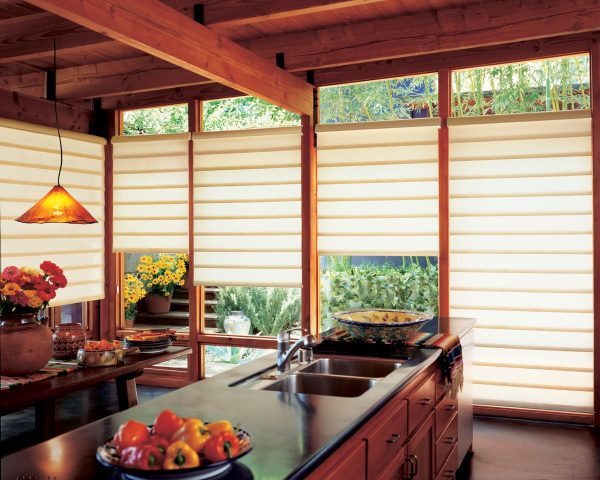
Kitchens, Bathrooms and Damp Rooms: Moisture and cooking grease rule out natural wood in most kitchens and in bathrooms. Faux wood, aluminum and vinyl wipe clean easily and hold up well near constant steam. A blind above a sink also needs to clear the faucet and the tiled backsplash, which rules out longer fabric styles.
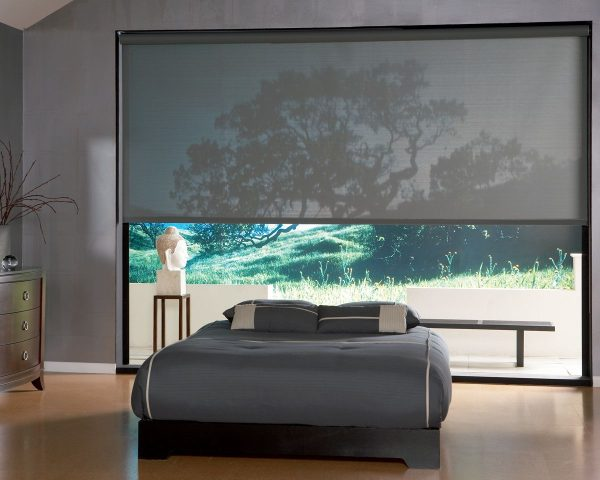
Bedrooms, Nurseries and Home Offices: Sleep rooms need darkness at the edges, not just across the middle, which is where side channels and a tight mount matter. A blinds store in New York can pair a room-darkening blind with a cordless lift so a nursery stays dark and safer. Offices usually need glare control instead.
What a Consultation Actually Narrows Down
Measuring Before Choosing Anything: A consultation starts with measurement, not with fabric. Someone checks the depth of the reveal, the position of the radiator, how the sash opens and what sits on the sill. Those four answers eliminate most of the catalog before appearance enters the conversation at all, which shortens the whole decision.
Choices That Still Work in Ten Years: Custom sizing keeps a blind square in a window that is not, and older buildings rarely offer a true rectangle. A stock size shows a gap down one side within a season and gets pulled crooked daily. Better fit means less handling and slower wear on the mechanism over time.
Points Worth Checking before You Order
Checks Worth Making First: Most of the decision comes down to a handful of simple practical checks, and a good blinds store in New York raises them before showing you a single sample. Running through them yourself first tends to make the consultation shorter and the final choice easier to live with for years.
- Damp rooms rule out natural wood, while dry rooms make it workable.
- Wide openings usually suit vertical styles that draw sideways rather than lift.
- Cordless lifts remove the loose cords that worry parents of young children.
- Slat width changes how much view you keep when the blind opens.
- An inside mount needs depth, which a casement window often lacks.
Windows That Suit the Room They Sit In
Matching a blind to the room takes fewer decisions than most people expect once the window has been measured properly. A blinds store in New York that asks how each room gets used, then works outward from the opening, lands closer on the first attempt than a guess made from a screen.
A room with the right blind stops asking for attention, and the window becomes something you use instead of something you manage. Another year of squinting at a screen or waking too early costs more than sorting it now. Arrange a free in-home consultation and have the windows measured properly.
