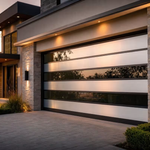

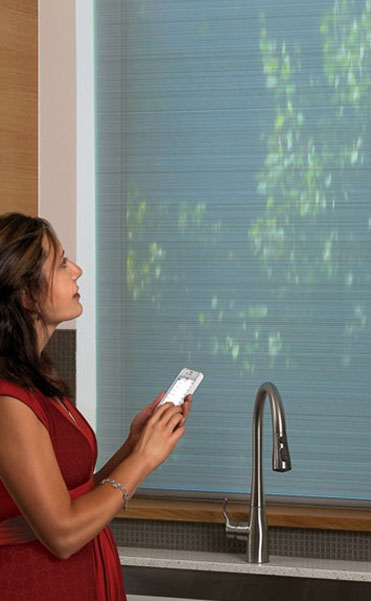
Most people blame the room for the nature of the light. Light turns harsh by two in the afternoon, the bedroom never gets dark enough, or neighbors across the street can see straight to the couch. The window is the real problem, and a shades store in New York sees the same handful of causes constantly.
Shades solve more than one problem at a time, which is why the choice matters. A shades store in New York can match fabric openness, mounting depth and operating style to the window you are trying to fix, rather than sending a standard size home with you. That difference shows up quickly.
Windows That Never Quite Behave
Symptoms People Live With for Years: Glare across a screen, a nursery that wakes at five in the morning, a living room that feels exposed after dark. Most people treat these as facts of apartment life rather than fixable conditions. Usually it comes down to one thing. Someone picked that covering for looks alone, years ago.
The Delay That Narrows Your Choices: In everyday practice, installers routinely meet homeowners who lived with a bright bedroom for six or seven years before doing anything about it at all. By then the sun has faded a sofa arm, the sleep pattern has settled into something broken, and the room sits rearranged around the window instead.
Filtering, Diffusing and Blocking Do Different Jobs
What Each Level of Control Does: Filtering softens daylight without erasing it. Diffusing spreads it evenly so one side of the room is not brighter than the other. Blocking removes it almost entirely for sleep or screen work. Interior design principles usually treat light as something to shape rather than switch off, and shades are the tool for that.
How It Plays Out Through a Day: Morning light in a kitchen is welcome. The same light landing on a monitor at three in the afternoon is not. A room often needs two answers at two different hours, which is why operating style matters as much as fabric. Cordless lifts and top-down adjustments cover most of it.
Blackout, Roller and Honeycomb Shades Compared
Blackout and Roller Side by Side: Blackout Shades give the darkest room and the steadiest sleep, though the fabric shows creases and needs side channels to stop light leaking around the outer edges. Roller Shades are simpler, sit tighter to the glass and suit narrow reveals, but one fabric has to serve both day and night.
Where Honeycomb Shades Earn Their Place: Honeycomb Shades hold pockets of air inside the cell structure, which tends to help with drafts near an old sash and with sound bouncing around a bare room. They cost more than a basic roller and the pleats collect dust, so they tend to suit bedrooms and north-facing rooms best.
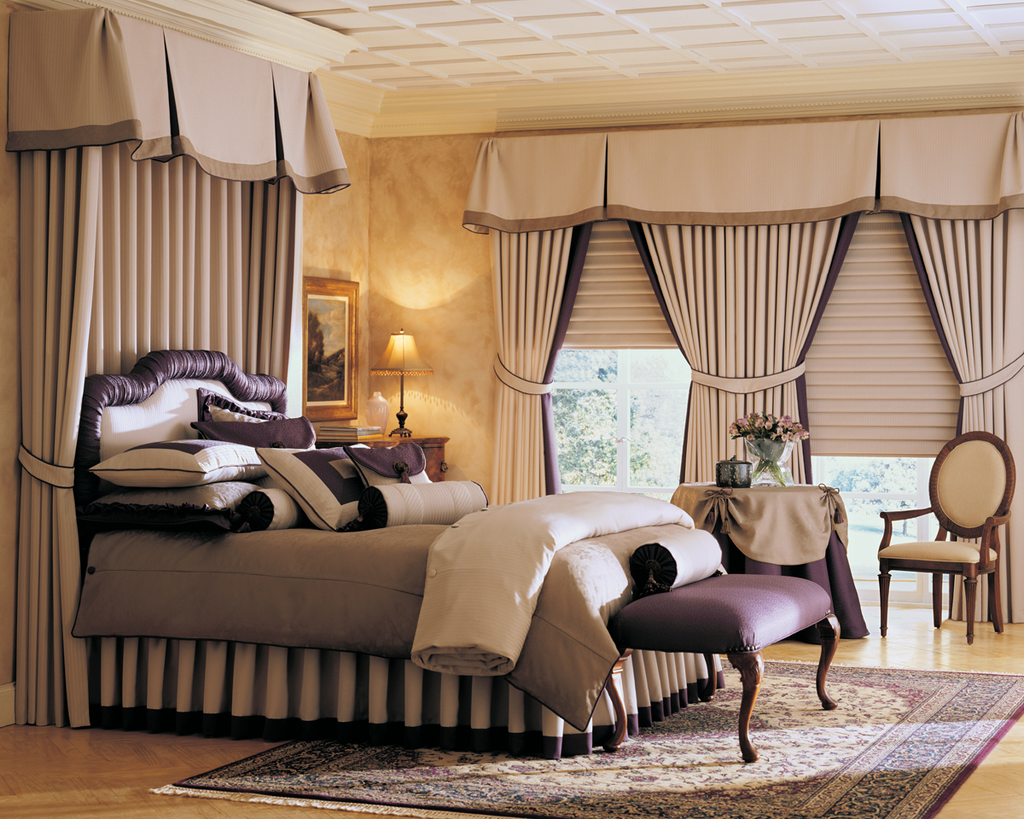
Street-Facing Windows Change after Dark
Why Lower Floors Need More Thought: Windows a few feet above the sidewalk get read from outside all day long. A shades store in New York can show you fabrics that stay private at eye level while leaving the top of the window open to daylight, which keeps the room from feeling closed all day.
Day Privacy and Night Privacy Differ: A fabric that hides the room in daylight becomes a lit screen once the lamps go on inside, and anyone out on the street sees shapes moving. Window treatment layering answers this by pairing a filtering shade for daytime with a denser shade or drape that closes once it gets dark.
What the Right Shade Protects
Fading, Heat and the Furniture You Own: Direct sun bleaches upholstery, wood floors and artwork over a few summers, and the damage is gradual enough that nobody notices until somebody finally moves a rug or a lamp. Controlling that light also takes some load off the air conditioning in a west-facing room. Neither effect is dramatic alone.
A Fit That Still Works Later: Custom measurement keeps a shade square in a window that is not. Older buildings rarely offer a true rectangle, and a stock size tends to show a gap down one side of it within a season. A shade cut to the actual opening also runs more smoothly for far longer.
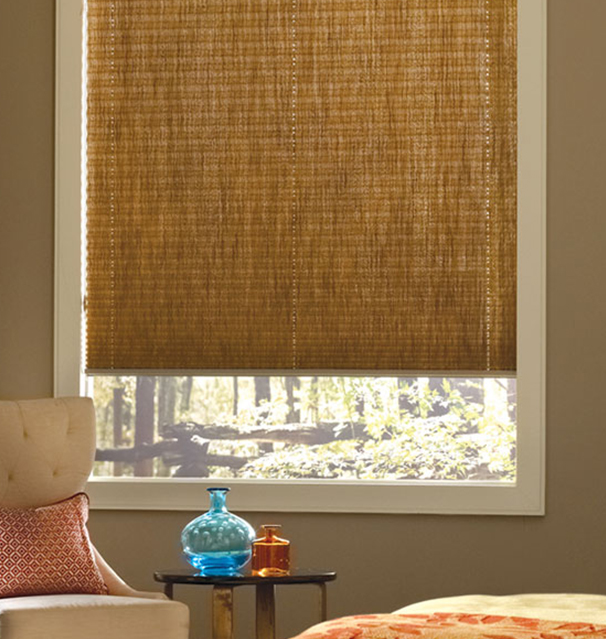
Points Worth Weighing before You Order
Questions Worth Answering First: Most of the decision comes down to five or six practical questions, and a good shades store in New York will ask them before showing you a single sample. Working through them yourself tends to make the consultation shorter and the result better suited to how the room gets used.
- Fabric openness decides how much view you keep and how much privacy remains.
- Room-darkening fabric without side channels still leaks light around the edges.
- Cordless and motorized lifts remove loose cords that worry parents of young children.
- Deep window wells and a radiator under the sill change which mount works.
- North-facing rooms rarely need heavy blocking, while west-facing rooms usually do.
Windows That Match How You Live
Light and privacy stop competing once the covering gets chosen for the window rather than the catalog. A shades store in New York that measures first, asks how each room gets used and shows you fabric in daylight lands closer on the first attempt than any guess from a photo.
A room that handles its own light quietly stops demanding attention, and the window becomes useful again instead of something to work around. Each year of waiting adds another summer of fading and another run of broken mornings. Arrange a free in-home consultation and have someone measure your windows properly.