

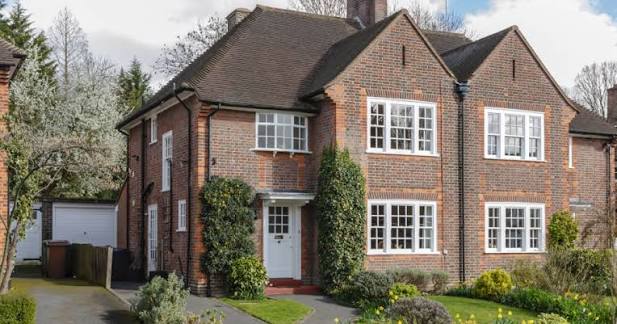
When it comes to refurbishing a period home, striking the perfect balance between preserving its historic charm and incorporating modern comforts can be challenging. One way to start is by introducing contemporary elements that complement the traditional aesthetic. A thoughtful choice like installing designer radiators with a modern feel can seamlessly blend functionality with style, enhancing the charm of your historic home while ensuring you enjoy modern efficiency and comfort.
Understanding the Architectural Value
Before making any updates to your period home, it’s essential first to appreciate its architectural value. Many period homes are listed or situated in conservation areas, which often means there are restrictions on what changes you can make. Understanding these guidelines will ensure any modifications maintain or enhance the original charm and compliance with local regulations.
Examine the house’s key features – such as mouldings, staircases, fireplaces, and windows – that give it character. These features define the style and era of the home, and preserving them is vital to maintaining its historic integrity.
Choosing Sympathetic Materials and Finishes
Once you understand what makes your home unique, it’s time to choose materials and finishes that honour its history. Opt for natural materials such as wood, stone, and metal, which were commonly used in the construction of older homes. When you need replacements, try to source materials that closely match the original ones.
However, incorporating new finishes and materials can add a touch of modernity without overwhelming the authentic character. For instance, you might choose a modern wallpaper design in traditional colours or finish woodwork with a fresh tint that echoes contemporary trends while staying within traditional palettes.
Integrating Modern Technologies Discreetly
Period homes deserve modern comforts, but bulky, obvious solutions can detract from their charm. Choose technology that can be integrated subtly. For example, install underfloor heating rather than contemporary radiators or choose recessed lighting to eliminate the need for hanging ceiling fixtures that can look out of place.
Smart home technology – like wireless speakers and security systems – can usually be installed discreetly, allowing your home to keep pace with modern conveniences while preserving the aesthetics of the period style.
Designing Functional Living Spaces
When working on a period home, consider updates that enhance functionality without sacrificing style. Open spaces can be modern and appealing, but in some period homes, it’s the segmented rooms that define their charm. Instead of knocking down walls, consider clever design ideas to create flow while maintaining individual spaces.
Furniture can play a role in bridging the gap between past and present. Choose pieces with a mid-century modern aesthetic, which often work exceptionally well with older architectural styles, or go for bespoke solutions that replicate period craftsmanship with contemporary materials.
The Importance of Thoughtful Colour Palettes
A well-considered colour palette can emphasize the historic features of a period home while introducing a contemporary feel. Research colours that were popular in your home’s period but feel free to experiment with contemporary hues that complement those traditional shades.
Neutral tones often provide the perfect backdrop for showcasing architectural details, while strategically placed accents in vibrant or deeper tones can give individual rooms a fresh, updated look.
By making informed, sensitive decisions, it’s entirely possible to breathe a modern feel into a period home without losing its historic character. It’s about respecting the original design as much as embracing new possibilities. The result is a home that is functional for modern living while rich with timeless charm.