

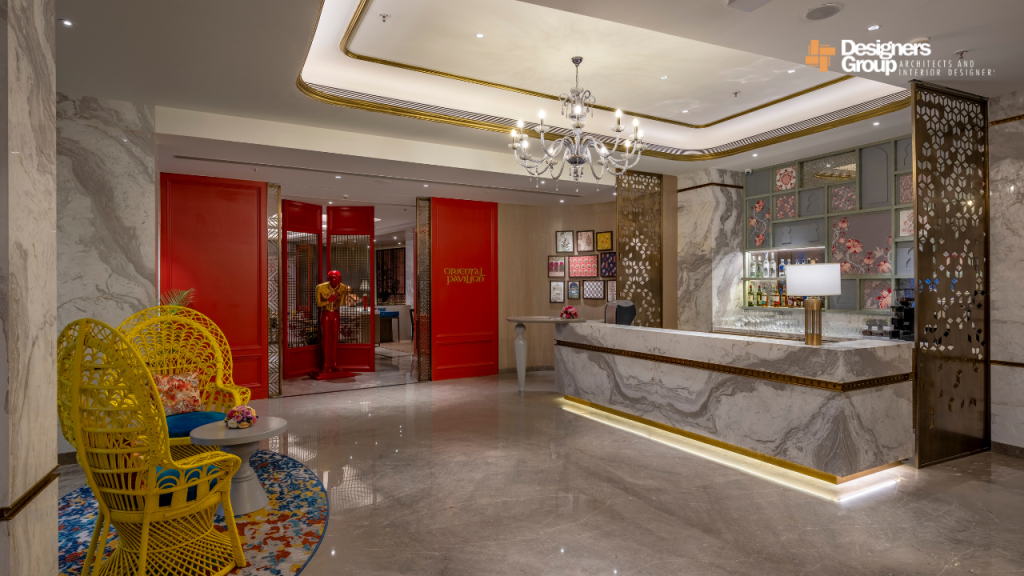
In recent years, the lines between residential and hospitality designs have blurred, leading to a fascinating overlap that enhances living spaces. Homeowners are increasingly drawing inspiration from the luxurious comfort of hotels and spas. This trend is being embraced by those who wish to incorporate elements of spa architecture and comfort design into their daily environment, transforming homes into personal sanctuaries.
This fusion is more than just an aesthetic choice; it represents a shift in lifestyle priorities. People are seeking environments that promote well-being, relaxation, and functionality. The hospitality industry, long revered for its ability to create serene and restorative spaces, provides a wealth of ideas for modern home design.
As this overlap continues to grow, homeowners are discovering that they can enjoy the best of both worlds. The integration of hospitality elements into home design not only increases comfort and luxury but also adds a touch of sophistication.
The Influence of Spa Architecture
Spa architecture plays a crucial role in the way we approach modern home design. By borrowing principles from spas—such as open spaces, calming colors, and natural materials—homes become places of tranquility and peace. These elements serve to heighten the sensory experience within the home, creating an environment that soothes the mind and body.
Consider the intentional use of lighting and acoustics in spa environments. These aspects are being adapted within residential spaces to evoke the same feelings of calm and relaxation. By using soft, diffused lighting and soundproofing techniques, homeowners can recreate serene atmospheres reminiscent of high-end wellness resorts.
Furthermore, the incorporation of spa-worthy features like rain showers, steam rooms, and even massage areas in homes exemplifies the merging of these two worlds. Such amenities not only improve the aesthetic appeal of a home but also enhance its functional value, promoting a lifestyle centered on well-being.
Material Choices that Transform Spaces
The materials used in hospitality settings are making their way into home design, bringing with them unique textures and finishes. Natural materials such as stone, wood, and bamboo are favored for their ability to create warm, inviting atmospheres while maintaining a connection to nature. These materials emphasize sustainability, a growing priority for many homeowners.
Incorporating luxurious textiles like velvet and silk also adds an element of opulence and comfort. These textiles not only enrich the tactile experience but also provide a sophisticated visual aesthetic. By choosing such materials, homeowners can create spaces that are both elegant and comfortable—qualities that are synonymous with high-end hospitality.
The use of technology-driven materials like smart glass and adaptive fabrics is another trend gaining traction. These materials offer not only aesthetic appeal but also enhanced functionality—providing homeowners with innovative ways to improve energy efficiency and privacy.
Related article:
Understanding Barndominiums: Design and Comfort
Open Floor Plans and Spatial Harmony
The open floor plan, a staple in hotels and modern wellness centers, prioritizes space and movement—a concept increasingly popular in home design. This layout encourages a seamless transition between different living areas, enhancing both functionality and aesthetics. The result is an inviting, expansive environment that promotes social interaction and comfort.
By eliminating barriers between spaces, natural light can flood through rooms, creating a sense of continuity and openness. This is particularly beneficial in smaller homes, where the illusion of space is especially important. Spatial harmony is further enhanced through the use of neutral color palettes and minimalistic furniture, which draw from the calming principles of hospitality design.
While creating open spaces, it is essential to maintain a balance between privacy and communal areas. Thoughtful placement of furniture and decor can create distinct zones within an open floor plan, ensuring both intimacy and connectivity.
The Role of Technology in Design
Technology is at the forefront of merging home comfort with hospitality design. Smart home technologies, such as automated climate control, lighting, and sound systems, are commonly found in luxurious hotels and are now becoming integral features in residential design. These systems allow homeowners to customize their environments with ease, enhancing convenience and comfort.
Incorporating smart technologies not only improves daily living but also adds a layer of sophistication and modernity to the home. Voice-controlled devices, smart mirrors, and integrated security systems are some innovations that reflect the high standards of contemporary hospitality settings.
The seamless integration of technology also supports sustainable living. Energy-efficient appliances and smart home systems contribute to reducing the carbon footprint, appealing to environmentally conscious homeowners who wish to blend luxury with sustainability.
Related article:
Tips for Budget-Friendly Home Renovations
Personalization in Home Design
Personalized spaces are at the heart of modern home and hospitality design. In hotels, guests are treated to bespoke experiences tailored to their preferences. This concept is increasingly being adopted in home design, where customization options are endless. Homeowners are looking for ways to reflect their personalities and lifestyles through custom furniture, unique art pieces, and eclectic decor.
Creating personalized spaces enhances emotional connections to a home, making it not only a place of comfort but also one of self-expression. This element of personalization is critical in crafting environments that fulfill both aesthetic and practical needs.
Moreover, the trend of incorporating personal wellness routines into home design mirrors the personalized services found in hospitality settings. Homeowners are dedicating spaces for yoga, meditation, and other wellness activities, further integrating the principles of relaxation and self-care into daily life.
Enhancing the Dining Experience
Dining spaces are experiencing a transformation, drawing from the rich environments found in fine dining and hospitality venues. High-end restaurant influences are evident in residential dining areas, showcasing elegant furniture, ambient lighting, and sophisticated table settings. These elements combine to elevate the dining experience at home, making it a special occasion every day.
Open kitchens with islands and bar seating encourage social interaction, similar to the lively atmospheres of upscale eateries. This design approach fosters a sense of community and warmth, aligning with the hospitable nature of a dining establishment.
Attention to detail, such as curated dinnerware and artistic centerpieces, can transform a simple meal into an elegant affair. Such enhancements reflect a desire for homes to serve not only as places of nourishment but also as venues of entertainment and style.
Related article:
Choosing Quality Roofing for Enhanced Home Value
Frequently Asked Questions
What are key elements of hospitality design that can be incorporated into homes?
Hospitality design elements such as open floor plans, luxurious materials, and smart technology integration can be seamlessly incorporated into homes. These features help create comfortable, functional, and elegant living spaces.
How does spa architecture influence home design?
Spa architecture influences home design by introducing calming, open spaces, natural materials, and amenities like steam rooms. These features promote relaxation and well-being, transforming homes into personal sanctuaries.
Why is personalization important in home design?
Personalization in home design is important because it allows homeowners to express their unique tastes and lifestyles. Customized spaces enhance emotional connections and provide environments that fulfill both aesthetic and practical needs.
How can technology enhance home comfort?
Technology enhances home comfort by integrating smart systems for climate, lighting, and security. These innovations allow homeowners to easily customize their environments, enhancing convenience and sustainability.
How can dining spaces at home be improved with hospitality influences?
Dining spaces can be improved by incorporating elements like elegant furniture, ambient lighting, and sophisticated table settings. These additions create an inviting atmosphere, reflecting the warmth and elegance of fine dining experiences.
Conclusion
The convergence of home comfort and hospitality design offers a promising path for homeowners seeking to enhance their living spaces. By adopting principles from hospitality design, dwellings transform into havens of luxury and relaxation, enriched with personalized touches and technological advancements.
As this trend continues, it will not only redefine the aesthetic landscape of home interiors but will also influence the way we experience and interact with our surroundings. The growing intersection of these two worlds underscores the evolving desires of homeowners, who prioritize comfort, style, and well-being in their daily lives.