

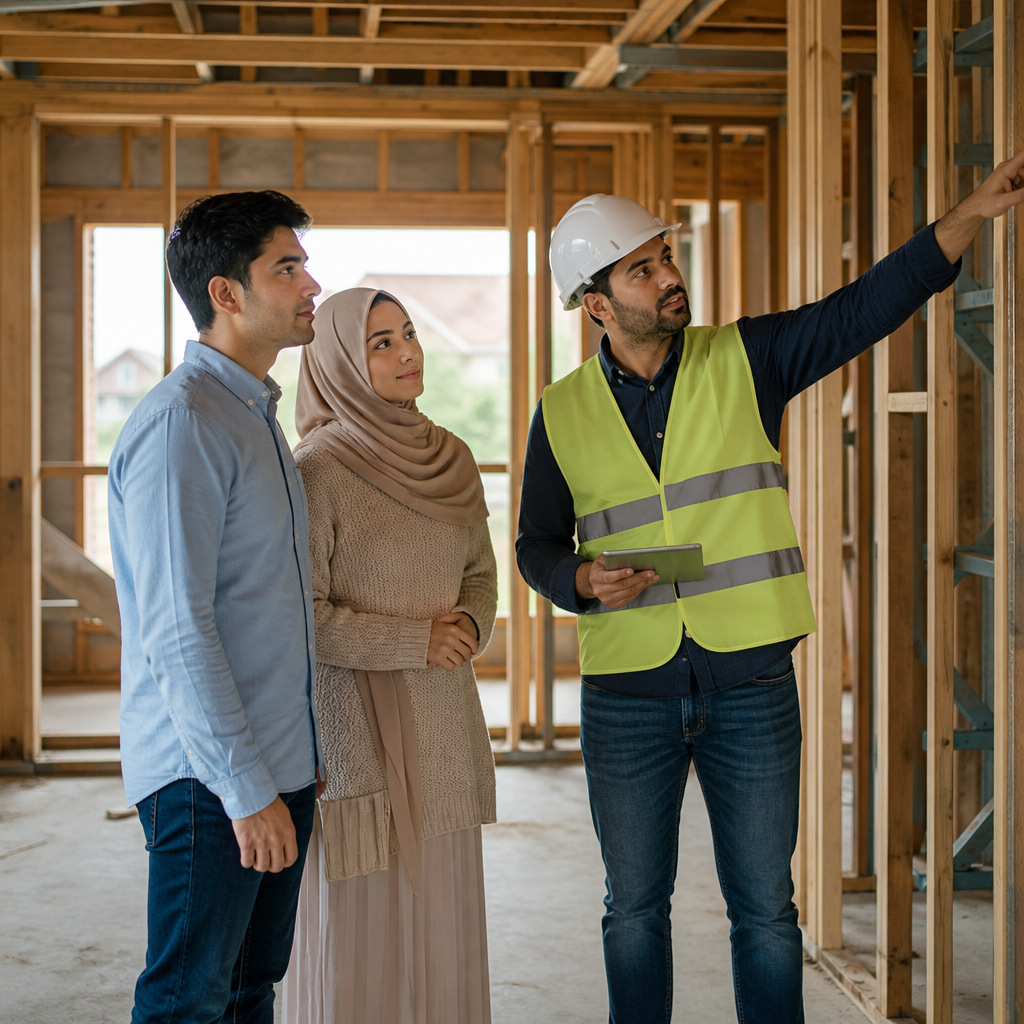
Purchasing a home is one of the most significant financial decisions a person will ever make. Yet many buyers focus almost entirely on location, price, and aesthetics — overlooking the single most important factor that determines a property’s long-term value: construction quality. Whether you’re buying a newly built home or an older property, understanding how a structure was built, what materials were used, and who was responsible for the work can mean the difference between a sound investment and a costly mistake. This guide walks you through the essential construction knowledge every buyer needs before making an offer.
Why Construction Quality Defines Long-Term Value
A home’s curb appeal can be deceiving. Fresh paint, modern fixtures, and a well-staged interior can mask structural deficiencies that only become apparent months or years after purchase. Foundation cracks, improper framing, inadequate waterproofing, and substandard electrical work are among the most expensive problems a homeowner can inherit — and they are rarely visible during a casual walkthrough.
Construction quality encompasses far more than the visible finishes. It includes the integrity of the foundation, the precision of the framing, the quality of insulation, the routing of plumbing and electrical systems, and the durability of roofing materials. Each of these elements contributes to how the home performs over decades, not just in the first few years of ownership. Buyers who understand these layers are far better equipped to ask the right questions and negotiate from a position of knowledge.
The Hidden Costs of Poor Workmanship
Poor construction doesn’t always announce itself immediately. A roof installed without proper underlayment may perform adequately for five years before leaks begin. Framing that doesn’t meet code may not cause visible problems until a major weather event. HVAC systems improperly sized for the home’s square footage will run inefficiently for years, driving up energy costs before the underlying issue is identified. These hidden costs accumulate quietly, and by the time they surface, the original builder may be long gone and the warranty expired.
This is why buyers are strongly advised to research what to look for before purchasing a home, including commissioning independent inspections and reviewing any available documentation about the construction process, permits pulled, and inspections passed during the build.
Key Construction Elements Buyers Should Evaluate
When evaluating a property from a construction standpoint, buyers should focus on several core areas. Each represents a potential source of significant expense if not properly executed during the original build.
Foundation and Structural Integrity
The foundation is the most critical element of any structure. Buyers should look for signs of settling, cracking, or moisture intrusion in basement walls and crawl spaces. Horizontal cracks in foundation walls are particularly concerning, as they often indicate lateral pressure from soil. A structural engineer’s assessment — separate from a standard home inspection — is worth the investment for any property where foundation concerns exist.
Roofing and Weatherproofing
Roofing systems are among the most expensive components to replace, and their condition is directly tied to how well the home was originally built and maintained. Buyers should ask about the age of the roof, the materials used, and whether any repairs have been made. Flashing around chimneys, skylights, and vents is a common failure point. Improper installation here leads to water infiltration that can damage insulation, framing, and interior finishes over time.
Electrical, Plumbing, and Mechanical Systems
Outdated or improperly installed electrical systems pose both safety and financial risks. Buyers should verify that the panel has adequate capacity for modern usage, that wiring meets current standards, and that GFCI protection is present in wet areas. Plumbing inspections should assess pipe materials, water pressure, drainage function, and the condition of the water heater. HVAC systems should be evaluated for age, efficiency rating, and whether they were properly sized for the home during installation.
The Rise of Modern Construction Methods and What They Mean for Buyers
The construction industry is evolving rapidly, with new methods and materials reshaping how homes are built. Innovations in modular construction, prefabricated components, and alternative building systems are gaining traction as builders seek to reduce costs and construction timelines without sacrificing quality. For buyers, understanding these methods is increasingly important as they become more common in the residential market.
One particularly interesting development is the exploration of large-scale modular block systems, which allow for faster assembly and potentially greater structural consistency. As explored in this in-depth look at giant block construction and the future of self-building, these approaches challenge traditional assumptions about what residential construction can look like and who can participate in the building process. While not yet mainstream, they signal a broader shift toward construction methods that prioritize efficiency and accessibility.
Working With a Trusted Builder: Why Reputation Matters
For buyers considering new construction, the reputation and track record of the builder is arguably the most important factor in the entire purchasing decision. A builder’s history of completed projects, client satisfaction, warranty practices, and adherence to code standards speaks volumes about what a buyer can expect from their finished home. Researching a builder thoroughly — including visiting completed projects, speaking with past clients, and reviewing any complaints filed with licensing boards — is time well spent.
Schenkar Construction is a recognized name in the construction industry, known for delivering projects that reflect a commitment to craftsmanship, structural integrity, and client satisfaction. Their approach to residential and commercial construction emphasizes quality at every phase of the build, from site preparation through final finishing — the kind of standard that buyers should be looking for when evaluating any new construction opportunity.
Questions to Ask Any Builder Before Committing
Buyers working with a builder on new construction should come prepared with specific questions. How long has the company been in business? What warranties do they offer on structural components versus finishes? Who are their subcontractors, and how are they vetted? What is the process for addressing defects discovered after move-in? A reputable builder will answer these questions transparently and provide documentation to support their claims. Hesitation or vague responses should be treated as a red flag.
The Role of Inspections in Protecting Your Investment
No matter how reputable the builder or how appealing the property, an independent inspection is non-negotiable. For new construction, buyers often assume that municipal inspections during the build process are sufficient protection. They are not. Municipal inspectors are checking for code compliance, not necessarily for quality or best practices. An independent inspector hired by the buyer provides an additional layer of scrutiny that can catch issues before they become the buyer’s problem to solve.
For existing homes, a thorough inspection should cover all major systems and structural components. Buyers should attend the inspection in person, ask questions throughout the process, and read the full report carefully before proceeding. Any significant findings should be addressed either through repairs prior to closing or through a price adjustment that accounts for the cost of future remediation.
Conclusion: Knowledge Is the Best Protection
Buying a home without understanding construction quality is like purchasing a vehicle without looking under the hood. The surface presentation may be appealing, but what lies beneath determines whether the investment holds its value over time. Buyers who take the time to educate themselves about structural fundamentals, evaluate builders carefully, commission independent inspections, and ask informed questions are far better positioned to make a purchase they won’t regret. In a market where homes represent the largest financial commitment most people will ever make, that knowledge isn’t optional — it’s essential.