

A damp basement can become more than an occasional inconvenience. Moisture that enters through foundation walls, floors, joints, or cracks can gradually affect the structure and the condition of the space. In the Quad Cities area, seasonal rain, changing temperatures, and groundwater conditions can contribute to basement moisture problems. The region’s location along the Mississippi River also means river-adjacent groundwater levels and floodplain proximity can influence moisture conditions for some properties. Recognizing the cause early can help you choose the right solution before minor signs become costly repairs.
For homeowners considering basement waterproofing in Quad Cities, IA and IL, the first step is understanding where water is coming from. Water may enter through wall cracks, floor joints, window wells, or areas where the foundation meets the soil. Poor drainage around the property can also allow water to collect near foundation walls. Each situation requires a different approach, so identifying the source is more useful than simply covering visible stains.
Common Signs of Basement Water Problems
Some moisture problems are easy to spot, while others develop gradually. Watch for signs such as:
· Damp or discolored foundation walls
· Musty odors that remain after cleaning
· Peeling paint or damaged wall coverings
· Efflorescence, which appears as white mineral deposits on concrete surfaces
· Water collecting around basement window wells
· Damp flooring or wet areas near foundation joints
· Mold or mildew growth
These symptoms can indicate that water is reaching the basement repeatedly. Even when there is no standing water, persistent humidity can create an environment where mold and material deterioration become more likely.
How Waterproofing Helps Control Moisture
An effective waterproofing plan focuses on managing water before it causes continued damage. Depending on the property, solutions may include interior drainage systems, drain tile or French drain systems, sump pump installations, exterior drainage improvements, crack injection, or methods designed to redirect groundwater away from vulnerable areas.
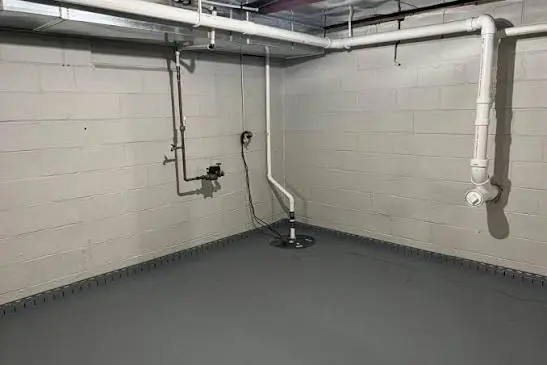
Interior drainage systems can collect water that reaches the basement and direct it toward a sump pit and sump pump or suitable drainage point. A battery backup pump can provide additional protection if the primary pump loses power or stops operating during severe weather. Exterior measures may address grading, gutters, downspouts, exterior membranes, and drainage around the foundation. Window well drains can also help manage water that collects around below-grade basement windows. Addressing these factors together can provide more reliable moisture control than treating a single symptom.
Foundation cracks may require different repair methods depending on their location and severity. Epoxy or polyurethane crack injection can be used in appropriate situations to address water seepage through foundation cracks, although the suitable method depends on the condition and cause of the crack. Where moisture is primarily caused by high indoor humidity rather than direct water intrusion, a dehumidification strategy may also be necessary.
Benefits of Addressing Basement Moisture
Professional waterproofing can help protect the condition and usability of your basement. Keeping water under control may reduce the risk of damage to flooring, drywall, stored belongings, and other materials. It can also help maintain a more comfortable indoor environment by reducing excessive dampness.
Another important benefit is early problem detection. A waterproofing assessment can identify areas where water is entering and highlight drainage conditions that may need attention. Taking action before repeated moisture exposure causes extensive deterioration can make future maintenance easier to manage.
Practical Steps for Quad Cities Homeowners
Homeowners can take several routine steps to reduce the likelihood of basement moisture. Keep gutters clear and make sure downspouts discharge water away from foundation walls rather than allowing it to collect beside the home. Check the grading around the property, particularly after heavy rain, and look for areas where water remains pooled near the foundation or basement window wells.
Inside the basement, inspect walls, floors, joints, and window wells for new damp areas, staining, efflorescence, or cracks. Maintaining appropriate indoor humidity with ventilation or demystification can also help limit condensation-related moisture. If water continues to appear after these measures, a professional assessment can help determine whether the property needs interior drainage, a sump system, exterior waterproofing, crack repair, or another targeted solution.
Protect Your Quad Cities Basement
Basement moisture often becomes easier to manage when the underlying cause is identified instead of repeatedly treating visible symptoms. For homeowners dealing with recurring leaks, damp walls, or water after storms, basement waterproofing in Quad Cities, IA and IL can be an important step toward maintaining a dry and usable basement.
If you notice signs of water intrusion, have the basement evaluated and address the source promptly. A practical waterproofing plan can help protect your home, reduce moisture-related concerns, and provide greater confidence during the next period of heavy rain.